.jpg)
Samuel Sikazwe, LUSAKA | 12 November 2026—Zambia has set out a plan to more than double its national economy from $30 billion to $65 billion in five years, tripling its digital fibre footprint and placing local tech founders directly in front of German partners, six minutes at a time. Unveiled at the Zambia-Germany ICT Business Forum, the strategy requires the civil service to measure its work by commercial results.
The Framework Behind the Goal
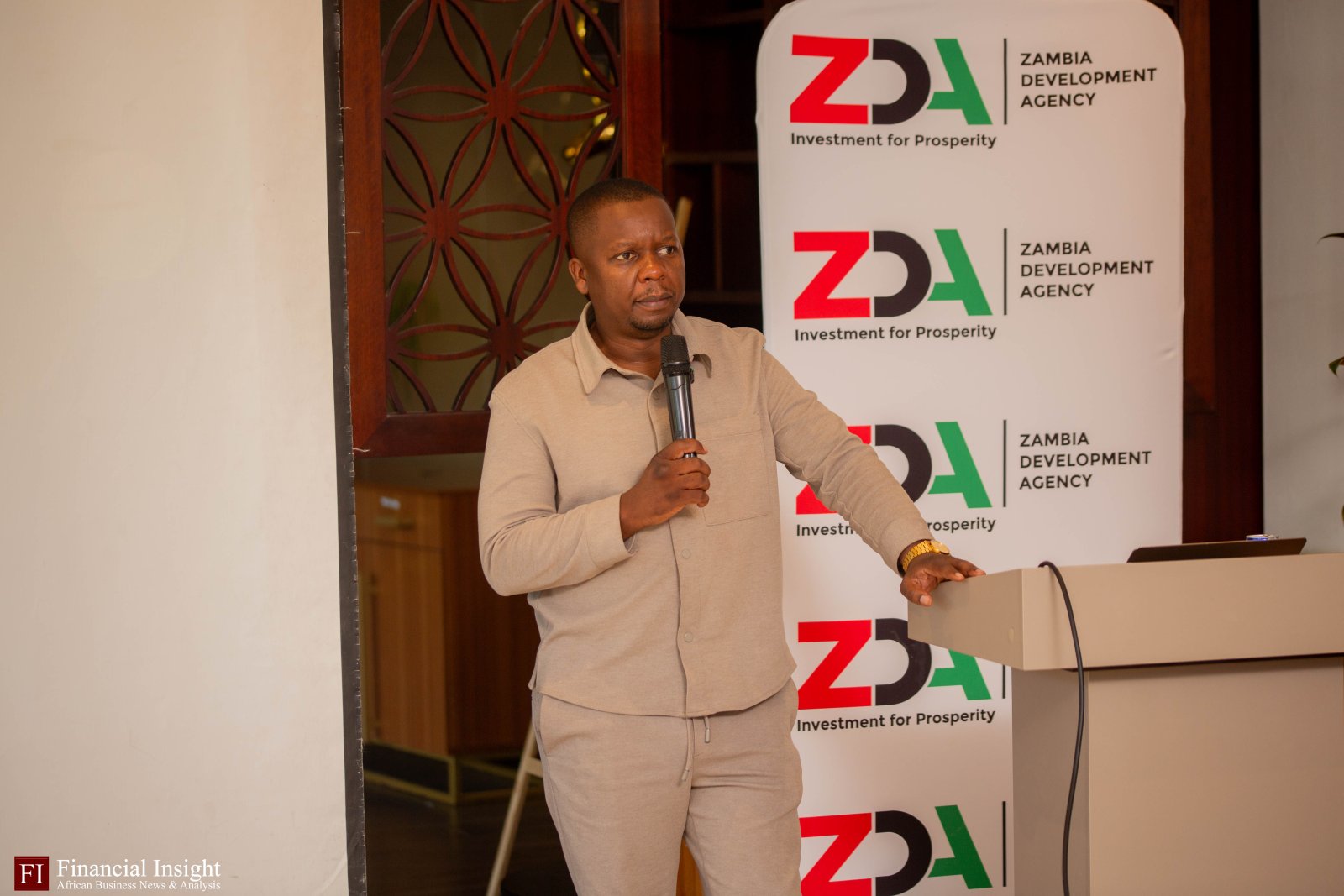
The two-day forum opened on 4 November 2026 at The Quorum Hotel in Lusaka. Hon. Felix Mutati, Minister of Technology and Science, told delegates the $65 billion economic target belongs to the Grow Zambia agenda announced by President Hakainde Hichilema. The civil service must shift from an input-oriented bureaucracy to an output-oriented administration. He told state officials to drop the ten-page manuals and measure their daily operations by commercial impact.
Information and communication technology sits at the centre of this expansion plan. The digital industry recorded the highest positive contribution to national growth last year, a trend extending into the second quarter of 2026. Hon. Mutati noted that early data shows information and communication technology accounted for more than 20% of gross domestic product.
The Five Pillars of Zambia’s Digital Blueprint
Hon. Mutati set out five strategic pillars to carry the $65 billion plan. The first establishes a trusted digital identity, allowing citizens to verify who they are once instead of repeating identical compliance steps across several offices. The second pillar requires government systems to share data with one another. Hon. Mutati put the operational requirement in plain terms.
"Systems must shake hands," he declared.
This data sharing ends the queues at several offices across municipal councils and registration departments. The third pillar depends on artificial intelligence. The minister credited the technology with discovering rich copper ore at the Mingomba mine, mapping resources that had lain untapped for a century. German partners are currently assisting domestic authorities in building institutional safeguards around this automated technology.
The fourth pillar covers physical infrastructure and fiscal policy reform. Fibre-optic coverage reached 45,000 kilometres by the close of the previous year, up from 15,000 kilometres in 2021 Duty-free imports of ICT equipment support this rapid expansion under a revised fiscal policy that taxes active transactions instead of hardware entry. The fifth pillar targets smartphone affordability, recognising device cost as the primary barrier to digital inclusion.

What Zambia Offered Saxony
Mr. Albert Halwampa, Director General of the Zambia Development Agency, described how the agency has modernised its services for foreign investors. Company licensing now runs entirely online. Mr. Halwampa told delegates foreign applicants do not need to be physically located in the country to submit documents. A commercial licence follows within hours, even for an investor based as far away as Berlin. The agency operates the Zambia Investment Forum as a virtual platform where global investors meet funders to structure deals digitally. The state offers targeted tax incentives for data centre construction, alongside round-the-clock assistance for visiting international delegations.
Mr. Soenke Siemon, German Ambassador to Zambia, pointed to bilateral institutional support already underway. This backing includes a bulk intelligence data warehouse for the Zambia Revenue Authority, a digital revenue management system in Choma, and assistance for beneficial ownership reform at the Patents and Companies Registration Agency. German small and medium enterprises, he said, offer domestic operators something the global technology giants do not.
"We might not be able to compete with the possibilities of the global tech giants, but we might be able to propose solutions that meet your needs and they come without strings attached," he reasoned.
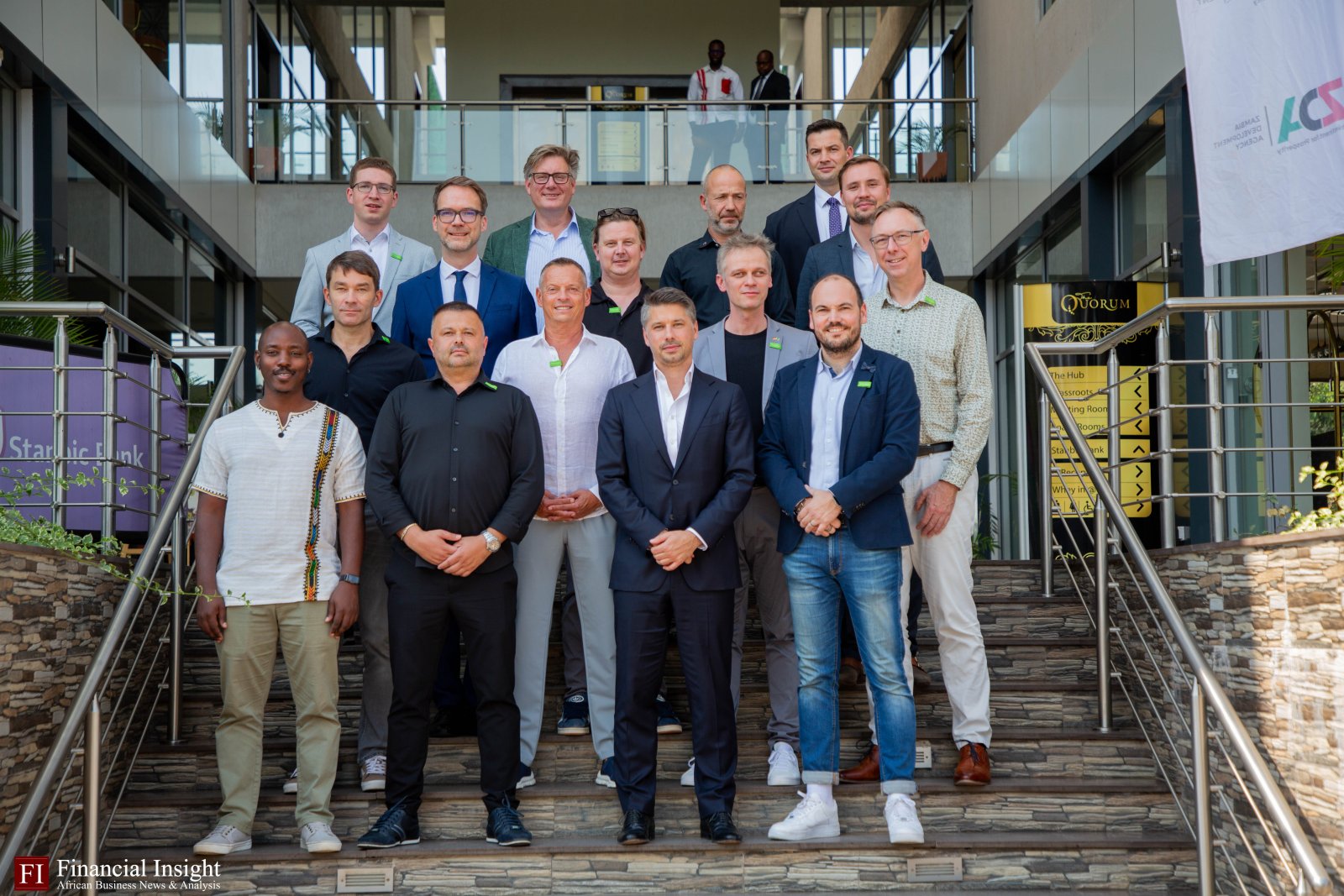
Saxony sent a dedicated digital economy delegation led by Mr. Michael Woitag, Honorary Consul and leader of the Saxon Business Delegation. The Leipzig software company he leads organised the visit alongside Saxony’s economic development agency. Hon. Mutati framed the partnership in terms of Ubuntu, the philosophy that defines success through mutual dependence. "You can’t pick a lice with one finger," he said.
Under Ubuntu, as Hon. Mutati described it, the capital a transaction produces belongs to everyone who took part and is shared according to effort.
Six Minutes to Make the Case
The second day of the forum gave the floor to startup founders. Mr. Jordan Lusaka, Master of Ceremonies and moderator, confirmed the primary aim was translating shared interests into tangible investment opportunities. Each startup received a strict four minutes to present and two minutes for audience questions. Mr. Woitag urged founders to pitch transparently, assuring them the German delegates came to partner and give frank feedback without claiming intellectual property.
Mr. Elson Chigerwe, Founder and Chief Executive Officer of Mind Care, opened by highlighting a healthcare deficit. More than 75% of individuals with mental health conditions in the country receive no treatment. His digital platform offers therapy starting at K200 per session, with fifty therapists signed up and five insurance partners. The enterprise currently assists 2,000 mine employees through structured corporate wellness packages. He requested corporate contracts, technology partners, and cybersecurity assistance to scale this recurring revenue model.
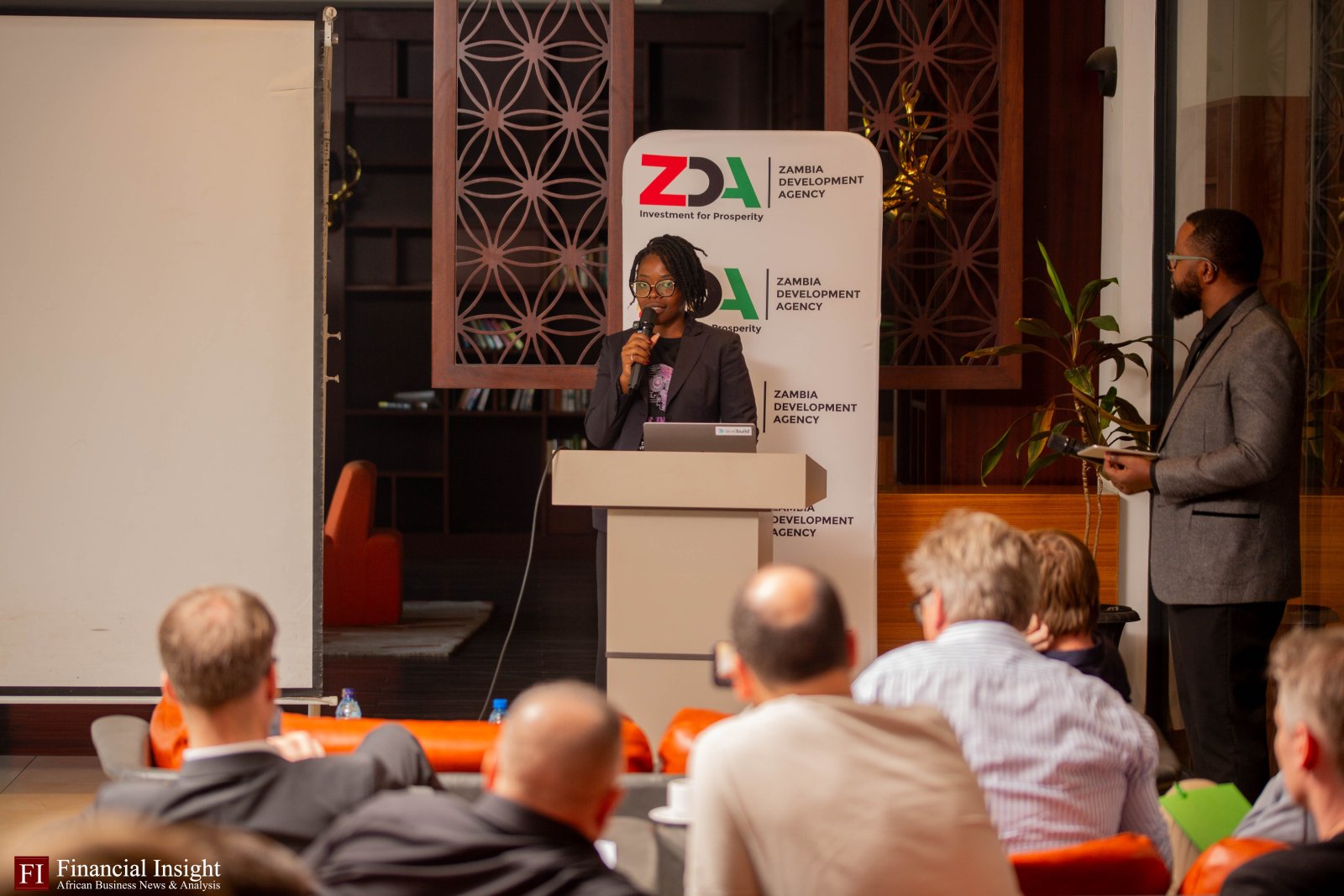
Ms. Tessilla Phiri, Co-Founder of Girls in ICT and STEM, described a gender deficit, noting fewer than 25% of domestic STEM graduates are female. Her initiative works through direct education, mentorship, and corporate linkages. Ms. Phiri recalled a young participant expressing the profound impact of visible leadership. "Seeing someone who look like they’re leading a company made me believe I could do it," the participant said.
Empowering female founders expands the national talent pool.
Corporate Social Responsibility and AI Training
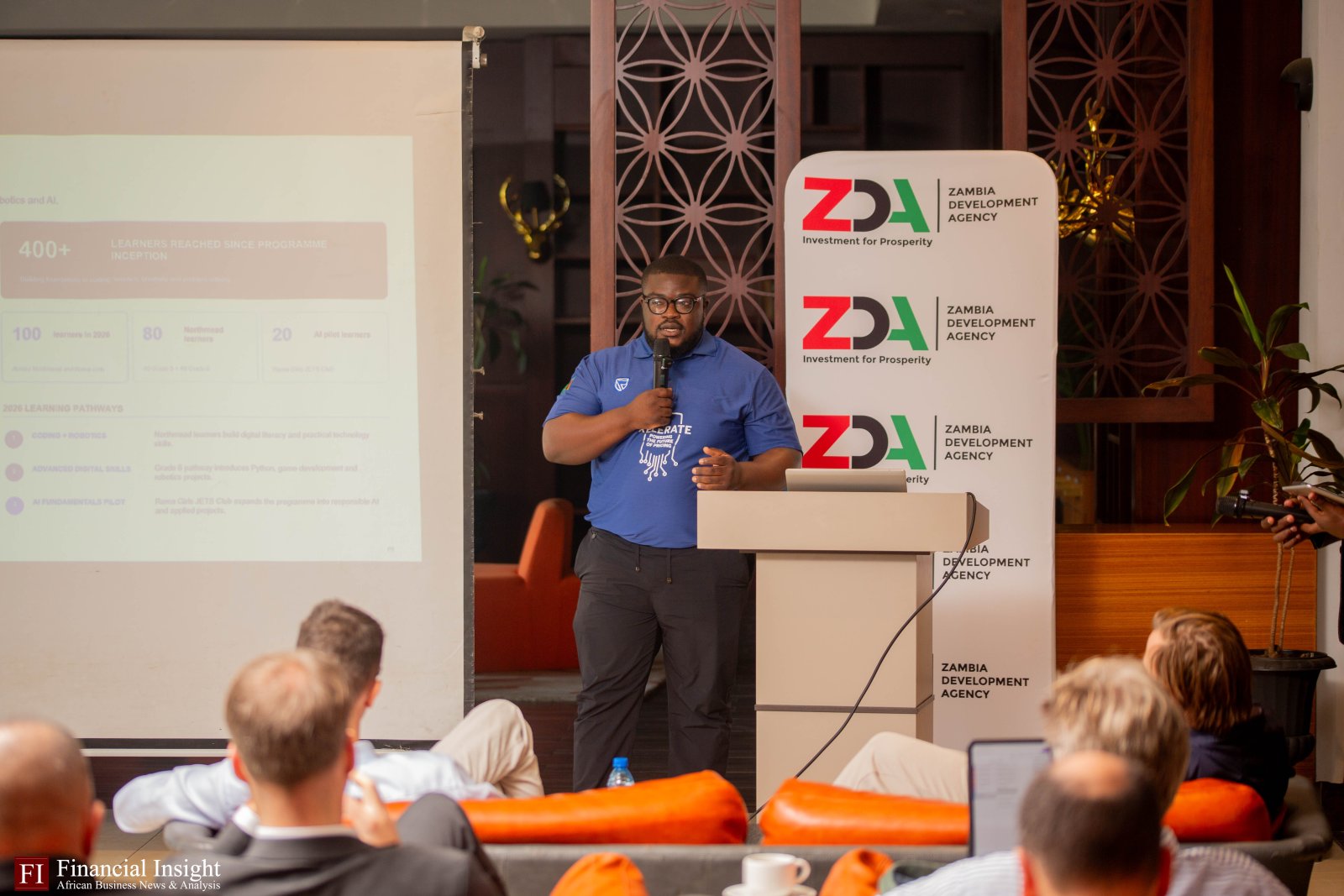
One commercial bank is funding the next generation of technical talent. Mr. Chungo Mutali, Corporate Social Responsibility Lead at Stanbic Bank Zambia, reported his institution's coding and robotics programme at North Mid Primary School has successfully reached 400 pupils in grades four and five. These young students also receive practical instruction in 3D printing. The bank starts at that age deliberately, Mr. Mutali explained, to give pupils a fighting chance in the digital age.
This year the educational programme incorporated artificial intelligence training for grade twelve pupils at Roma Girls Secondary School. The bank formally requested additional computer hardware and technical mentors to scale this curriculum.
Mr. Woitag later confirmed the delegation had identified key projects for future bilateral cooperation. The main project is an artificial intelligence software platform, to be built in Zambia through joint ventures with local companies. He added that the delegation had already trained fifty local professionals in AI development. The group plans to establish a permanent contact office in the country. Hon. Mutati asked organisers to maintain this commercial momentum and prepare a comprehensive audit four weeks on. That audit will let the government confirm whether the visiting companies concluded deals and took a material part in the work.