Ornell Mubangwa & Gerald Hamuyayi, Lusaka, Wednesday, 13 May, 2026 — Inflation at 11.2% reshapes a household budget gradually, relentlessly, and without asking permission. In April 2026, that pressure finally eased, with inflation landing at 6.8% and falling deeper inside the Bank of Zambia's target band. The central bank has responded cautiously and on the evidence.
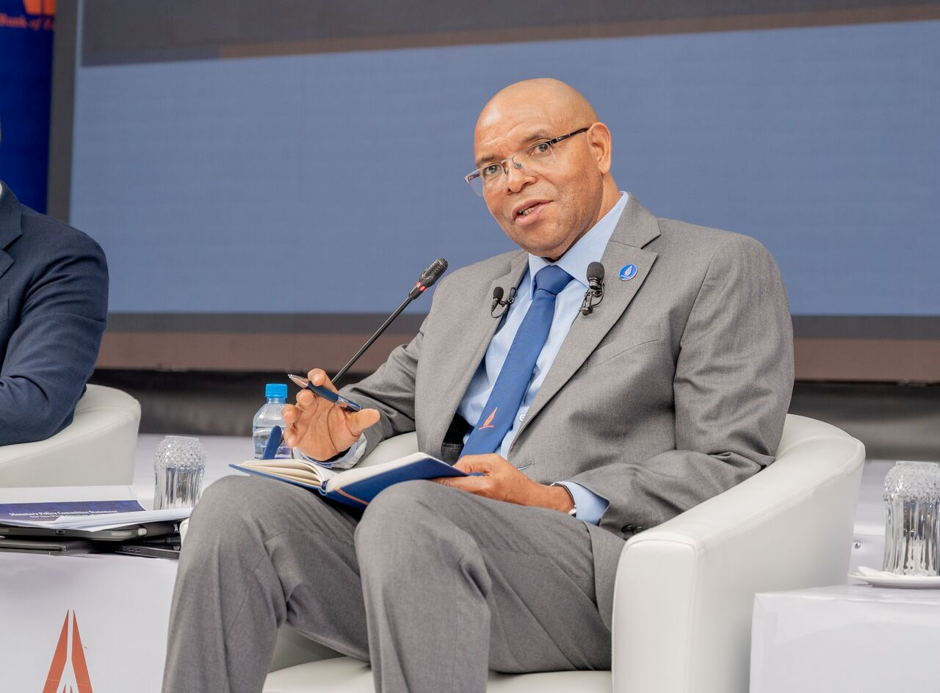
Today, 13 May 2026, Dr. Denny H. Kalyalya announced that the Monetary Policy Committee had reduced the Policy Rate by 25 basis points to 13.25%. Zambia had in the span of four months, engineered one of the sharpest disinflation sequences and the rate cut was the institutional acknowledgement of that achievement.
The inflation outlook has improved materially riding on favourable maize harvest, resilience of the Kwacha against major convertibles as mining inflows, foreign institutions accelerated participation in government bonds pouring foreign exchange liquidity into the Zambian market. The improved liquidity quickened trading in the interbank market, more than doubling traded volumes to USD 396.5 million in Q1 2026 compared to just USD 151.6 million in Q4 2025.
The Numbers That Made the Decision Possible
The descent from 11.2% in December 2025 to 7.1% in March 2026, and then to 6.8% in April, did not happen in isolation. The Kwacha appreciated by 14.8% against the US dollar in the first quarter of 2026, a move driven in substantial part by the mining sector, which supplied nearly USD 1 Billion (USD 915.7 million) in foreign exchange liquidity during the period. Tailwinds for inflows are already picking up, with copper prices currently above USD 14,000 per tonne on the London Metal Exchange. When a currency strengthens that sharply, imported goods become cheaper, supply chains ease, and inflationary pressure begins to look manageable.
"Inflation declined sharply to 7.1% in March 2026 from 11.2% in December 2025," said Dr. Kalyalya, "and eased further to 6.8% in April, well within the 6-8% target band." Returning to this target band is a milestone the Bank had been working towards through an extended period of policy restraint, one that had required holding firm even when the pressure to act had been considerable.
Underpinning the currency's strength was a reserve position that would have seemed implausible to anyone tracking Zambia's balance sheet three years earlier. Gross international reserves reached a historic high of USD 6.5 billion in February 2026. At the close of Q2, gross international reserves retreated to USD 6.2 billion, equivalent to 5.2 months of import cover.
The marginal reserve reduction stems from three major FX pressure points. The Middle East conflict added USD 114.7 million to dollar demand through government fuel procurement. Other sources of dollar demand include the Bank’s market support of USD 106.5 million and government debt service of USD 40.1 million. On another positive note, the Bank of Zambia has accumulated 3,380.78 kg of gold holdings, valued at half a billion dollars (USD 500.9 million). This deliberate diversification has added meaningful ballast to a reserve position now substantial enough to absorb serious external shocks.
The Role of Agriculture and Fiscal Relief
Disinflation rarely arrives through a single channel, and Zambia's experience was no different. An expected favourable maize harvest provided a stabilising anchor for food prices, relieving pressure from the component of the consumer basket that most directly affects household budgets across the country. At the same time, the government moved decisively on fuel, suspending excise duty and zero-rating VAT on petroleum products to prevent global crude oil price increases from passing through fully to the pump.
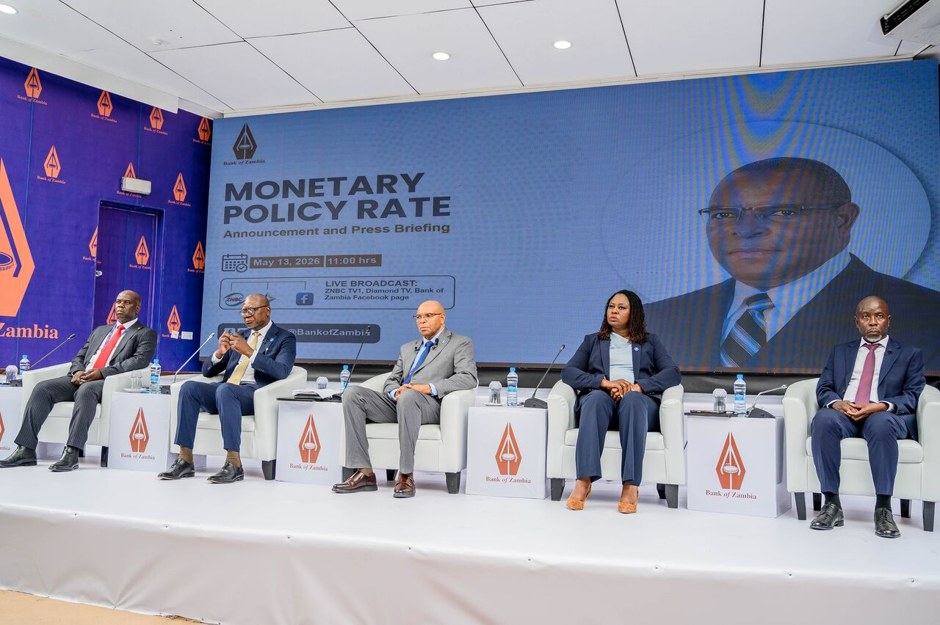
Image Source: Bank of Zambia (LinkedIn)
"The fuel prices could, actually, have been higher than they currently are," noted Dr. Kalyalya, "had it not been for the tax relief that the Government has provided." In an environment where global energy markets were already being pulled upward by geopolitical tension, domestic intervention of that kind is a consequential act of fiscal coordination between the Treasury and the central bank's price stability mandate, one that prevented a meaningful portion of external cost pressure from reaching ordinary consumers.
Risks That Did Not Disappear
A 25-basis-point cut is a signal, not a celebration. Dr. Kalyalya noted that the decision is a judgement about where risks currently sit, not a declaration that those risks have passed. One threat in particular shaped the committee’s dovish but cautious rate decision. The continuing Middle East conflict, which has already pushed global crude oil prices higher and fed through into domestic fuel costs.
“The protraction of the Middle East conflict, which has already resulted in higher global crude oil prices and, in turn, a rise in domestic fuel pump prices,” declared Dr. Kalyalya, “is a significant upside risk to the inflation outlook.” Global crude markets remain acutely sensitive to any further escalation, and Zambia, as a net importer of refined petroleum, remains directly exposed to that volatility regardless of how well its domestic fundamentals perform in the months ahead.
"The Committee judged," said Dr. Kalyalya, "that the upside risks and uncertainty associated with the Middle East conflict warranted a cautious adjustment to the Policy Rate that maintains an appropriate stance of monetary policy." The word cautious carries a message to markets that any further easing would move at a pace set entirely by incoming data, not by expectation or external pressure.
The Bank of Zambia Governor reemphasized that rate decisions are guided strictly by inflation outcomes and financial stability considerations. Zambia now finds itself in a position that warrants genuine acknowledgement on the macroeconomic front. Reserves stand at historic highs, the kwacha has recovered ground that few expected it to regain, let alone sustain, and inflation has returned to the target band. The central bank has adjusted its stance with the measured discipline of an institution that recognises the work is far from finished.