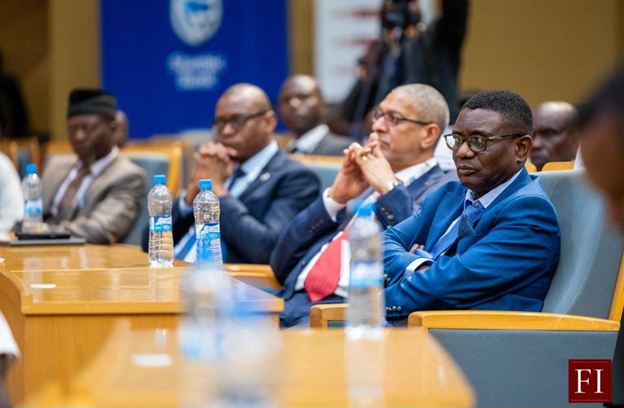
Jeannette Ilunga, Mulungushi Conference Centre, Lusaka, 10 September 2025 — Petrodex is betting big on Zambia's energy future, with CEO Monie Captan announcing plans to construct a 400 megawatts solar projects during his address at the Energy Forum for Africa Conference in Lusaka.
The timing could not be more critical. Zambia's hydroelectric plants, which normally generate 87% of the country's electricity, have seen output crash by over 70% as recurring droughts dwindle water levels, leaving the nation scrambling for alternatives.
"Within every challenge lies an opportunity," Captan stated. Pointing to government reforms that have opened up the energy market to private players, Captan continued: "Zambia's bold reforms, especially the move away from the single buyer model and the opening of the market to private participation, are creating a new pathway forward."
Petrodex has not wasted time capitalising on these changes. Since 2024, the company has been trading 200 megawatts of power daily across borders moving electricity between Mozambique, Zambia, Zimbabwe, and the Democratic Republic of Congo. Needless to say, now they are setting their eyes on a bigger target- they want to double that to 400 megawatts within 18 months.
And the interesting part? The strategy is working. Through their local subsidiary, Petrodex Energy Trading Zambia, they are already supplying commercial and industrial clients directly and a similar setup is being rolled out in Zimbabwe to serve the mining sector there.
But trading power is not enough. Petrodex has moved into generation with the Serenje solar project in Central Province, built alongside their partner, Solar Century Africa. Remarkably, the first 25-megawatt phase came online in July 2025 and is already feeding the national grid. Gone is the old single buyer model that inhibited investment for years.
Petrodex is not stopping there. The project is expanding to 35 megawatts in phase two, with plans to eventually hit 118 megawatts total capacity which seamlessly fits into President Hichilema's push to add 1,000 megawatts of solar into the grid.
The company's deputy CEO for Africa recently visited their Mailo solar project, a separate 100-megawatt plant under construction that shows how seriously Petrodex is taking the Zambian market.
Captan made it clear that this goes beyond Zambia, if anything, it is the beginning . The company is taking the same integrated approach of trading, generation, and distribution to West Africa, aiming to improve energy access across the continent one country at a time.
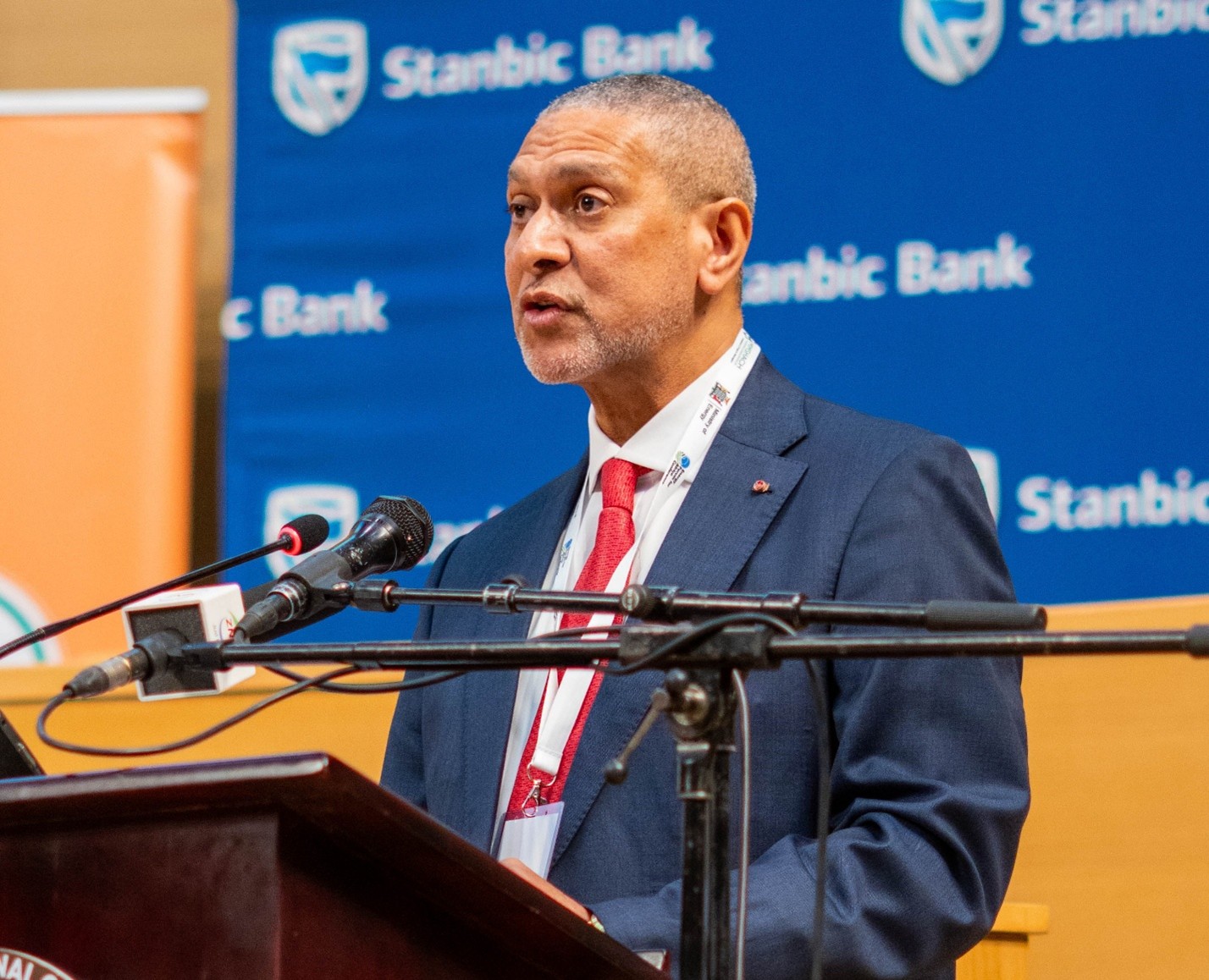
"For Petrodex," Captan re-echoed, as he praised the government's investment-friendly reforms, "Zambia is a market and a partner." That remark represented evidence of a relationship that seems to be paying dividends for both sides. With climate change making hydroelectric power less reliable, Zambia needs partners like Petrodex willing to invest in alternatives. The company's rapid expansion from regional trader to local generator suggests they see real potential in the reformed market.
Whether this model can be replicated across Africa remains to be seen and looks like a challenge Petrodex is willing to take on falling on the promising early results seen in the four countries. With drought continuing to challenge traditional hydro power sources, innovative technologies and partnerships like these could point the way forward for the continent's energy security.