Jeannette Ilunga, Mulungushi Conference Centre, Lusaka, 10 September 2025 — A years-long diplomatic effort to establish energy cooperation between Botswana and Zambia has finally reached the finishing line, with both countries ready to sign a memorandum of understanding that could transform regional power trading.
Speaking at the Energy Forum for Africa Conference in Lusaka, Botswana's Minister of Minerals and Energy, Ms. Bogolo Joy Kenewendo, announced that technical teams from both nations have completed negotiations on the framework that will enable shared trading capacities and joint infrastructure development.
She brought special regards from Botswana's President Duma Boko, who had recently completed a state visit to Zambia and promised swift follow-up on commitments made during his trip.
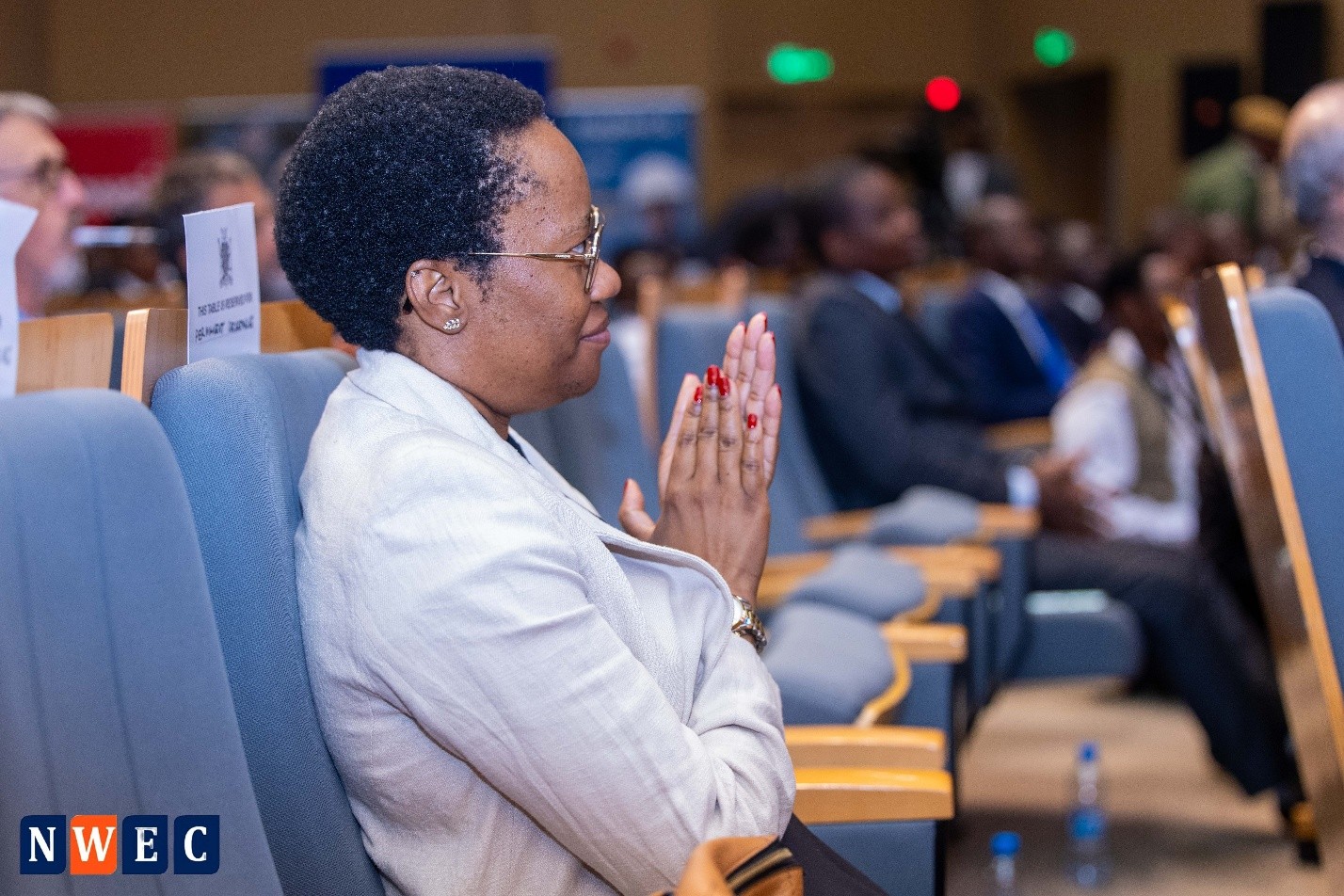
"I am pleased to report," Honourable Kenewendo said, gleaming with pride, "that with my colleague, we have been able together with our teams to conclude on the works that the presidents had agreed," a statement that drew applause from the packed conference hall.
In a touching moment that highlighted the personal connection Minister Kenewendo shares with Zambia, she revealed that her surname originates from Zambia, making her feel "at home" in Lusaka. The minister, who had to correct the pronunciation of her name during introductions, noted that she hoped it would be better pronounced in Zambia than in her home country, offering a light moment from the crowd.
The bilateral agreement between Botswana and Zambia forms part of a broader continental energy strategy that emerged from the Mission 300 Africa Energy Summit held in Dar es Salaam earlier this year. African heads of state used that platform to make ambitious commitments towards bringing electricity to millions of citizens whilst stimulating industrial development.
Minister Kenewendo emphasised that achieving these goals requires unprecedented cooperation between governments, private sector players, and civil society organisations. "Energy does not have a border," she declared, summarising the philosophy driving the cross-border initiative.
The minister outlined four critical objectives in her speech: "That we enhance energy security by scaling up renewable energy and other sources, and that we ensure the implementation and progress of the energy compacts that are monitored." After taking a moment to look at the audience she continued, "and to Mr President's point earlier that there is full implementation and frameworks of work plans that ensure that we succeed at these challenges".
The minister's address did not come without backing. Botswana has emerged as a leader in implementing the Dar es Salaam energy declaration, with Minister Kenewendo announcing that her country's energy compact has successfully passed through cabinet approval. "We worked on our energy compact, and we presented it to cabinet, and it has since passed," the minister reported, demonstrating Botswana's commitment to translating continental declarations into actionable national policy. The compact which was developed with support from the World Bank Group and the African Development Bank, focuses on six key areas. The priorities include expanding last-mile access to remote communities, increasing generation capacity, reducing energy costs, promoting regional integration and power trading, encouraging private sector participation, and ensuring utilities become financially viable and operationally competent.
The most significant announcement, however, came when Minister Kenewendo revealed that the long-awaited energy cooperation agreement with Zambia was finally ready for signature. This signifies a milestone for both countries because the project has been under discussion for many years but repeatedly delayed by technical and political challenges.
"This MOU has taken many years," she acknowledged. "It has been kicked down the years," crediting the leadership of both President Boko and President Hichilema for breaking the deadlock and how their personal commitment to the project created the political momentum needed to push negotiations across the finishing line.

The agreement will enable both countries to share generation capacities, markets, and industrial development opportunities. For Botswana, this means access to Zambia's substantial hydroelectric resources, whilst Zambia could benefit from Botswana's solar potential and mining sector expertise.
Throughout her speech, the minister painted an optimistic picture of what energy cooperation could achieve for both nations. This collaboration will allow for the pooling of resources and sharing of infrastructure between the countries which can accelerate their progress towards universal energy access whilst reducing costs for consumers and businesses.
The agreement does not only represent power trading, but it also establishes a framework for deeper economic integration between neighbouring countries facing similar development challenges. Both nations can leverage their complementary strengths whilst building resilience against climate-related disruptions.
Minister Kenewendo expressed particular gratitude to the technical teams from both countries who worked tirelessly to resolve complex issues around pricing, infrastructure, and regulatory harmonisation. Their dedication ensured that presidential commitments could be translated into practical implementation frameworks.
The Botswana-Zambia energy partnership could serve as a template for similar agreements across Africa, where many countries struggle with inadequate power generation capacity. Demonstrating such cross-border energy cooperation has enabled these nations to move from political promises to signed agreements, providing a roadmap for continental energy integration.
As Minister Kenewendo concluded her remarks, she thanked both presidents for their leadership and expressed confidence in achieving the shared vision of universal energy access. "We look forward to a shared bright light future between Botswana and Zambia," she said, capturing the optimism surrounding this breakthrough moment.
The signing ceremony for the MOU is expected to take place soon, marking the beginning of a new chapter in regional energy cooperation that could influence similar initiatives across the Southern African Development Community and beyond.