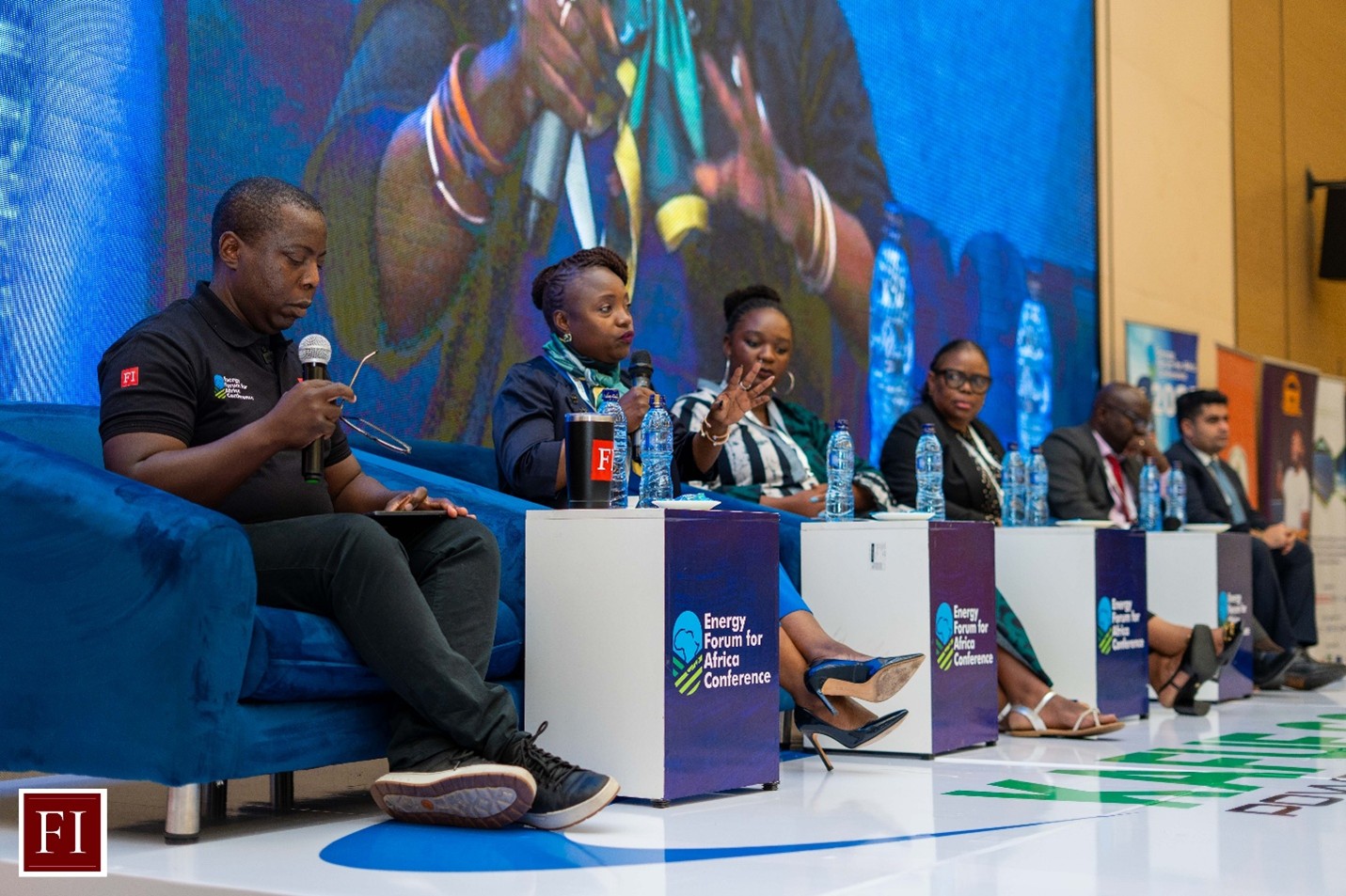
Jeannette Ilunga, Mulungushi Conference Centre, Lusaka, 11 September 2025 – The energy financing revolution unfolding in Zambia is no longer theoretical. Part 1 revealed the remarkable transformation taking place as commercial banks close emergency power deals in three and a half months instead of two years, development finance institutions leverage $50 million to unlock $4 billion in private investment, and energy traders position themselves to stabilise a grid that has become dangerously dependent on increasingly unreliable water sources.
What emerged from the Energy Forum for Africa Conference was a clear picture of success: Stanbic Bank's innovative trading arrangements through the Southern African Power Pool, the African Development Bank's role as market maker for cross-border energy projects, and the International Finance Corporation's scaling solar programme that has become a continental template. These were not aspirational case studies, they were live transactions with specific dollar amounts and concrete timelines.
Most significantly, industry leaders confirmed that Zambia has assembled the four critical pillars that drive energy investment across Africa: regulatory clarity through streamlined licensing, bankable offtake arrangements with creditworthy partners, macroeconomic stability with transparent foreign exchange policies, and strong power demand that creates genuine market opportunity. The country's positioning as a regional energy hub within the Southern African Power Pool represents not just geographic advantage, but strategic policy alignment that international investors recognise and reward.
Yet behind these success stories lie deeper questions about execution, sustainability, and scale. How do these breakthrough financing models translate into actual megawatts flowing through transmission lines? What happens when emergency solutions must become permanent infrastructure? And perhaps most critically, how does Zambia maintain this investment momentum while managing the political and technical complexities of regional energy integration?
Part 2 examines the implementation realities behind the investment enthusiasm, exploring both the opportunities and obstacles that will determine whether Zambia's energy transformation becomes a sustainable model for the continent or remains an impressive but isolated achievement.
Policy Consistency Matters More Than Perfection
The Ministry of Energy representative, speaking for the Zambian government, Mr. Mafayo Ziba, the Senior Energy Officer at Ministry of Energy, offered a refreshingly honest assessment of how policy development actually works when Mr. Chibesakunda posed the panel's final question about investment security.
"What sort of safeguards to ensure consistency in policy is the ministry putting in place that you can use to say we can assure investment in energy is safe for the near and long term?" the moderator asked.
The response challenged conventional wisdom about regulatory stability. Rather than promising unchanging regulations, Mr. Ziba emphasised their consultative approach and willingness to adjust policies based on market feedback.
"We don't really need so many safeguards to policy. Policy is usually very consultative in its initial stage. So you can rest assured that when a policy is very consultative, the changes that come back don't really move so much that they would change a lot of things," the official explained.
He highlighted flexibility over rigidity: "While you put up a policy that is consultative, you do not fix it like it will not change no matter what. So it has to respond also to changes that are there in the market or the sector." What this response showed was that the government understands that the environment is ever-changing and therefore, policies should also be ready to change or be revised when needed.