Gerald Hamuyayi, Lusaka, Mulungushi Conference Centre, 10 September 2025 – Ichola wetata, a popular Zambian lingo meaning money, emerged as one critical piece to overcome Africa's energy challenge. With demand for electricity projected to grow by double digits over the next decade and government targeting 1,000 MW of new solar power in the near term, the question is no longer whether Zambia should pursue an energy transition. The real challenge is how to finance it.
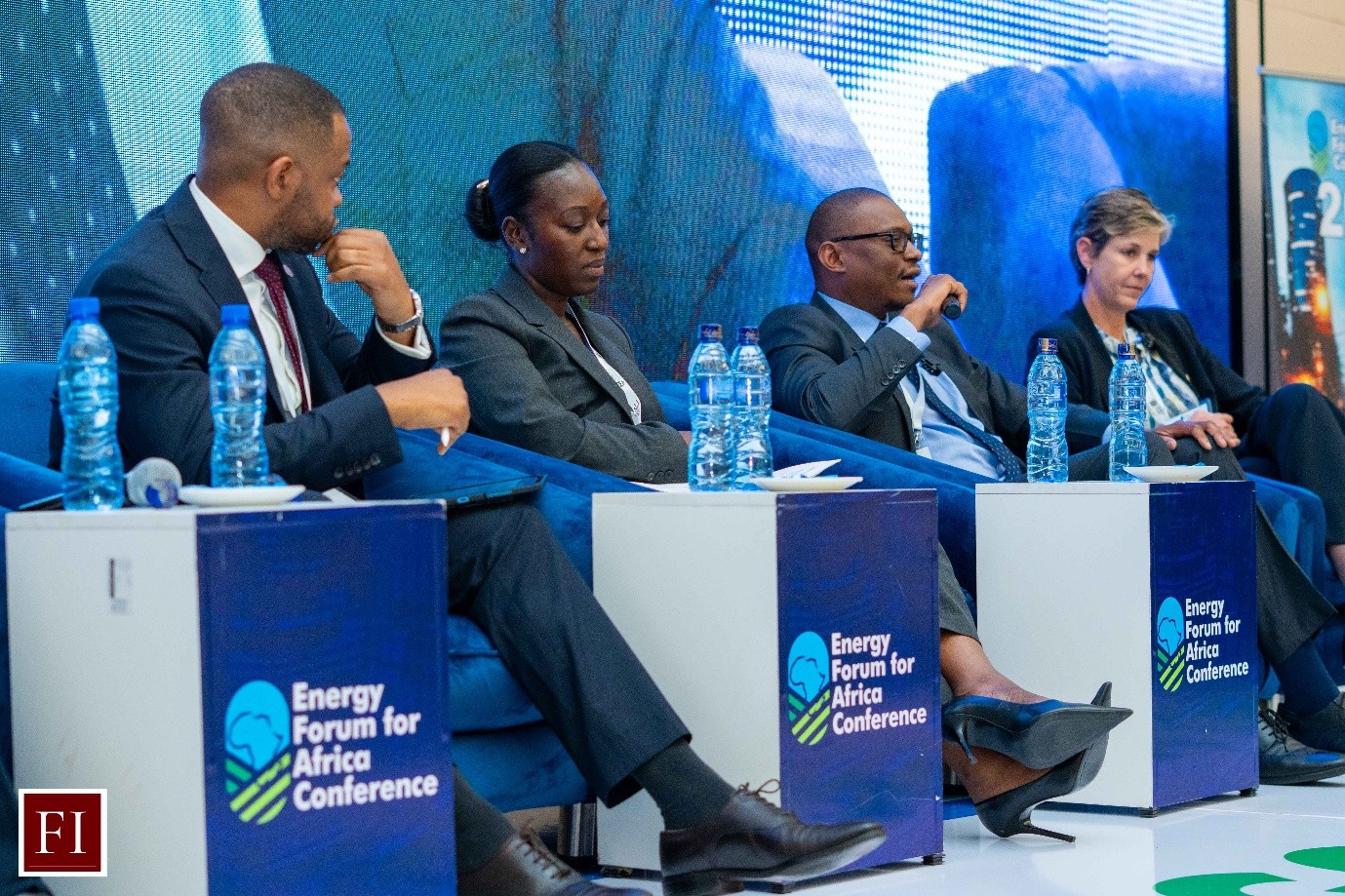
The second edition of the Energy Forum for Africa brought this issue to debate, with an honest discussion on how banks and pension funds can move from cautious financiers to catalytic partners. What emerged was a consistent theme, Zambia's energy transition will stand or fall on the ability to mobilise long-term, blended finance that balances risk with returns.
The numbers tell a sobering story. According to Zambia's Integrated Resource Plan, energy demand is forecast to cross 10,000 MW with an investment requirement of about $11.6 billion by 2030. That suggests an annual investment requirement of over a billion dollars per year. Yet Zambia's banking sector's total deposits stand at circa USD9.0 billion as of March 2025. There is inadequate capacity locally to fund the energy financing gap given the competing needs from Zambia's economic sectors.
The impatience of traditional banking capital has repositioned pension funds to invest in long-term projects. For the National Pension Scheme Authority, the debate begins with responsibility. "Our first obligation is the members," a NAPSA representative reminded delegates. "We collect member contributions and we need to ensure that we invest them in funds that will bring us returns to pay benefits when they fall due in the future."
But while caution is baked into its mandate, NAPSA recognises that pensions are uniquely positioned to provide patient, long-term capital for infrastructure. With Zambia's energy crisis persisting, investment in this area has become a priority. Guided by the Authority's strategic plan, NAPSA is exploring renewable projects that can deliver both steady returns and developmental impact. Stable, regulated cash flows from power purchase agreements fit naturally with the long horizon of pension liabilities. Renewable energy investment is not charity – it is good business that aligns with national needs.
While pension funds bring patience, commercial banks bring agility and scale. For Zanaco, Zambia's largest indigenous bank, the energy transition represents both an opportunity and a responsibility. "As lenders, this presents an opportunity to grow our business, but then there's also our commitment to sustainability," said Austin Chijikwa, Head of Business Banking at Zanaco.
Zanaco's energy financing already tops $200 million, spanning both utility-scale projects and household solar solutions. One flagship initiative in the pipeline is an 80 MW solar plant scheduled for completion in 2026. But the bank is also focusing on SMEs and households, providing green loans to schools, small businesses, and families seeking alternatives to diesel or charcoal.
The challenge, Chijikwa noted, lies in early-stage financing. "As much as we want to grow capacity for generation, electricity needs a road or a grid to get to the market. Developers don't always have sufficient capital to start projects, and we often come in post-feasibility. That's why we've hosted forums like the Climate Symposium to rally stakeholders and unlock the bottlenecks."
Zambia does not lack potential projects, but many stall before reaching bankability. Commercial banks alone cannot bridge this gap, but they can help unlock it by coordinating stakeholders and providing structured solutions.
For Indo-Zambia Bank, which has already financed over 600 MW of power expected on the grid by 2026, the emphasis is on translating opportunities into bankable transactions. "When we look at financing, especially for a local bank in Zambia, large-scale energy is a relatively new area of investment," the bank's representative observed. "But we leverage the expertise from India, where some of the largest solar projects in the world are taking place."
According to Indo, bankability depends on cash flow visibility, credible promoters, and rigorous risk management. "We ask questions like who are the promoters? What experience do they bring? Have all the risks around viability and repayment been identified and mitigated? Just as NAPSA has a responsibility to contributors, we have a responsibility to depositors. We must finance responsibly."
Across all perspectives, the aspect of cash is king was underscored. Another innovative financing model, highlighted by Stanbic Bank Zambia Chief Executive, Mwindwa Siakalima include blended finance that deploys public or concessional capital to crowd in private investment. Development finance institutions can absorb early-stage risk, pension funds can provide long-term depth, and commercial banks can deliver scale and innovation. The absence of such coordination is why promising projects often remain on the drawing board.
The financing dialogue at EFFA was an outright honest admission with financial institutions acknowledging their constraints. NAPSA cannot gamble with pensions, Zanaco cannot underwrite feasibility risk, and Indo-Zambia Bank must protect depositors. Yet none denied the urgency of expanding Zambia's energy base. With a limited domestic funds, international capital markets will play a major role in leapfrogging Zambia plans for power sufficiency.
The task now is to move from dialogue to deployment. Zambia must foster structured partnerships, whether through green bonds, pooled infrastructure funds, or blended finance vehicles that can de-risk early-stage projects. Without this, the ambition of adding gigawatts of renewable power will remain aspiration rather than achievement. Pension funds, banks, and government each hold a piece of the puzzle. How quickly they learn to fit them together will be the key determinant of success.