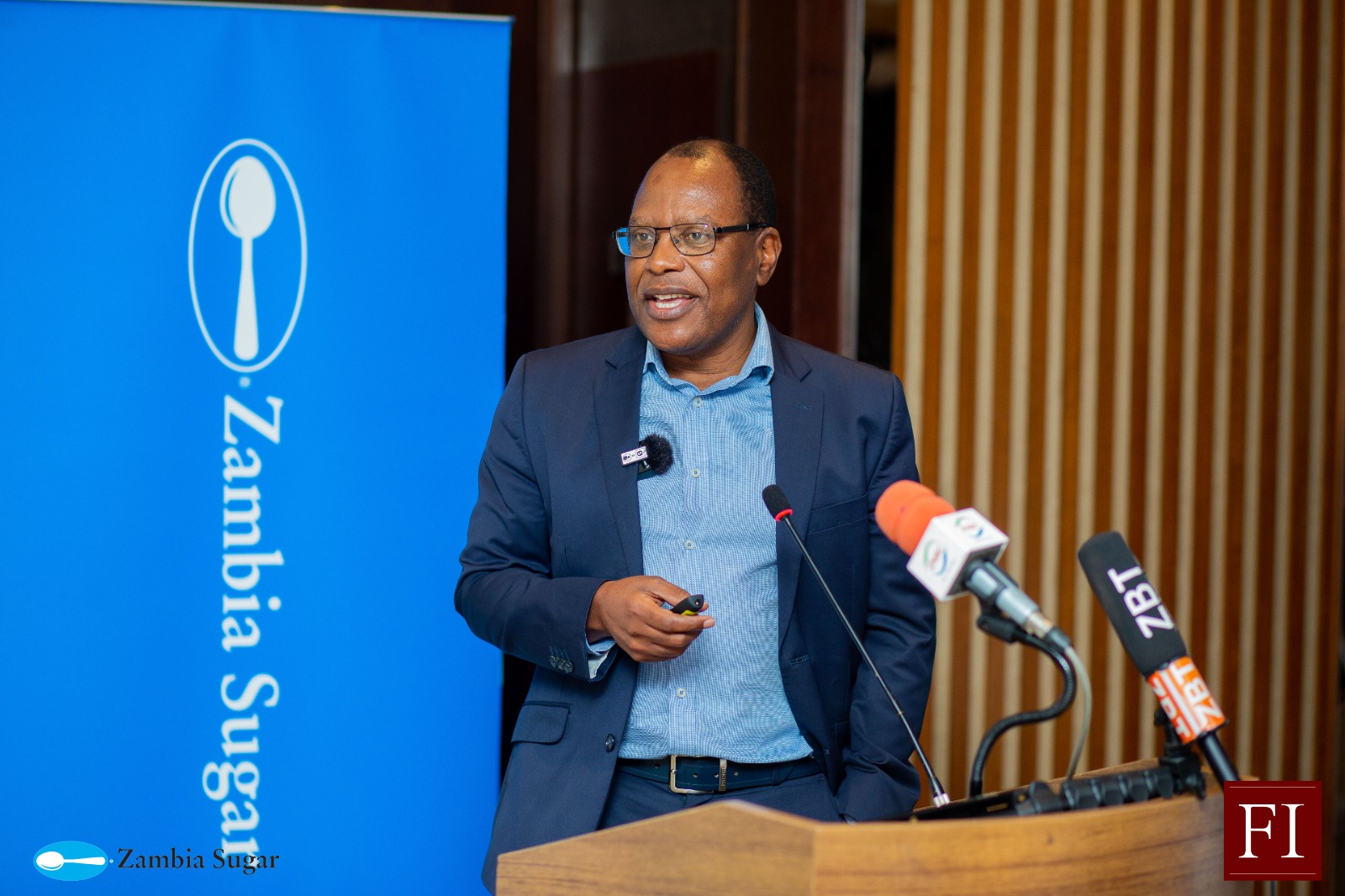
𝗝𝗲𝗮𝗻𝗻𝗲𝘁𝘁𝗲 𝗜𝗹𝘂𝗻𝗴𝗮, 𝗔𝗳𝗿𝗶𝗰𝗮𝗪𝗼𝗿𝗸𝘀, 𝗔𝗴𝗼𝗿𝗮 𝗩𝗶𝗹𝗹𝗮𝗴𝗲, 𝗟𝗨𝗦𝗔𝗞𝗔 | 𝗧𝘂𝗲𝘀𝗱𝗮𝘆, 𝟰 𝗡𝗼𝘃𝗲𝗺𝗯𝗲𝗿 𝟮𝟬𝟮𝟱 — The financial statements of Zambia Sugar Plc for the year ended August 2025 reveal a company that refused to be defined by circumstances. ZamSugar increased revenue by K1.4 billion in a single year whilst drought devastated physical output, demonstrating a strategic agility that transformed crisis into opportunity. The company also optimised its sales mix, capturing 23% more domestic value, and closing the year with nearly K1.1 billion in cash reserves despite profit pressures.
𝗥𝗲𝘃𝗲𝗻𝘂𝗲 𝗚𝗿𝗼𝘄𝘁𝗵 𝗗𝗲𝗳𝗶𝗲𝘀 𝗣𝗿𝗼𝗱𝘂𝗰𝘁𝗶𝗼𝗻 𝗖𝗼𝗹𝗹𝗮𝗽𝘀𝗲
Group revenue climbed from K7.5 billion in 2024 to K8.9 billion in 2025, an 18% increase that defied every expectation considering the situation. The 2023/24 drought, widely regarded as the most severe in recent history, struck during peak growth season and slashed both cane yield and sugar production. Yet the company extracted more value from every tonne that survived.
Domestic revenue surged 23% whilst export realisation improved 9%, reflecting what the company describes as enhanced value capture and sales mix optimisation across market segments. Sugar production revenue reached K6.1 billion, up from K5 billion the previous year, whilst cane growing contributed K2.8 billion compared to K2.5 billion in 2024. The numbers demonstrate that volume losses can be offset, at least partially, through pricing strategy and market positioning.
The revenue performance demonstrates that Zambia Sugar understood its markets well enough to navigate catastrophic supply constraints and sustain its growth.. Fewer tonnes sold for more money, a delicate balance that requires both courage and market intelligence to execute during crisis.
𝗣𝗿𝗼𝗳𝗶𝘁𝗮𝗯𝗶𝗹𝗶𝘁𝘆 𝗔𝗯𝘀𝗼𝗿𝗯𝘀 𝘁𝗵𝗲 𝗘𝗻𝘃𝗶𝗿𝗼𝗻𝗺𝗲𝗻𝘁𝗮𝗹 𝗦𝗵𝗼𝗰𝗸
Operating profit declined 23%, falling from K2.6 billion in 2024 to K2 billion in 2025. The drop was inevitable given the production collapse and cost escalations that accompanied the drought response. What matters is that the company maintained positive operating margins whilst competitors in similar circumstances might have posted losses.
Net finance costs rose sharply to K116.6 million in 2025 compared to K38.7 million the previous year, largely due to increased interest expense associated with working capital facilities, lease arrangements, and statutory obligations. The K700 million three-year loan secured to support climate resilience initiatives and working capital carried a price, and that price shows clearly in the tripled finance costs.
Interest coverage remains sound at 17 times, though significantly lower than the prior year's 66.3 times. The metric indicates that the company can comfortably service its debt even under stressed conditions, an important signal to lenders and investors assessing the sustainability of the business model through environmental volatility.
Profit after tax attributable to shareholders decreased from K2.1 billion in 2024 to K1.6 billion in 2025. Headline earnings mirrored this decline, falling from K2.1 billion to K1.6 billion. The drought-induced decline in profitability generated one silver lining: income tax expense dropped 48%, from K451 million in 2024 to K233 million in the current period.
𝗕𝗮𝗹𝗮𝗻𝗰𝗲 𝗦𝗵𝗲𝗲𝘁 𝗦𝘁𝗿𝗲𝗻𝗴𝘁𝗵 𝗦𝗶𝗴𝗻𝗮𝗹𝘀 𝗦𝘁𝗿𝗮𝘁𝗲𝗴𝗶𝗰 𝗖𝗼𝗻𝗳𝗶𝗱𝗲𝗻𝗰𝗲
Total assets increased substantially from K7 billion in 2024 to K8.8 billion in 2025, growth driven by deliberate capital investment rather than passive accumulation. Property, plant and equipment values climbed from K2.7 billion to K3.8 billion, reflecting major infrastructure upgrades designed to weather future environmental shocks.
Biological assets grew from K921 million in 2024 to K1.3 billion in 2025, potentially indicating investment in drought-resistant cane varieties or valuation changes related to crop recovery efforts. The company closed the year with cash and bank balances of K1 billion, nearly double the K554 million position in 2024.
Long-term borrowings of K701 million were secured in 2025 compared to zero in 2024, representing the K700 million three-year loan earmarked for climate resilience and working capital support. The debt addition strengthens rather than weakens the balance sheet because it provides capital specifically targeted at reducing future vulnerability to environmental disruption.
Equity attributable to shareholders increased from K4.9 billion in 2024 to K6 billion in 2025, demonstrating that profitability, though reduced, remained sufficient to grow the capital base whilst funding major infrastructure investments.
𝗦𝗵𝗮𝗿𝗲𝗵𝗼𝗹𝗱𝗲𝗿 𝗥𝗲𝘁𝘂𝗿𝗻𝘀 𝗥𝗲𝗳𝗹𝗲𝗰𝘁 𝗥𝗲𝗮𝗹𝗶𝘁𝘆
Earnings per share declined 21%, falling from 650 ngwee in 2024 to 516.1 ngwee in 2025. The Board proposed a dividend of 109.6 ngwee per share, a reduction from the 161 ngwee paid in the prior year. Dividends declared and paid decreased from K1.1 billion in 2024 to K510 million in 2025.
The dividend reduction stems from two factors: reduced profitability and increased capital expenditure funded internally. Shareholders receive less cash today because the company chose to reinvest in resilience rather than distribute every available ngwee. The decision favours long-term sustainability over short-term gratification, a trade-off that requires board courage and shareholder patience.
𝗖𝗮𝘀𝗵 𝗙𝗹𝗼𝘄 𝗧𝗲𝗹𝗹𝘀 𝘁𝗵𝗲 𝗜𝗻𝘃𝗲𝘀𝘁𝗺𝗲𝗻𝘁 𝗦𝘁𝗼𝗿𝘆
Net cash outflows from investing activities rose sharply to K1.3 billion in 2025 compared to K770 million in 2024, reflecting the major capital programmes underway across the estates. Despite this substantial investment outflow, the overall increase in cash and cash equivalents reached K513 million in 2025, a significant reversal from the K336 million decrease in 2024. Zambia Sugar is investing in the future through the Twazabuka Project Plan, valued at approximately K2.0 billion, to be financed through a combination of internal resources and market funding. The project will support local businesses, create employment opportunities, and strengthen supply chains, positively impacting Mazabuka and contributing to Zambia’s overall growth.
The company generated sufficient operating cash flow and secured adequate financing to simultaneously fund major capital investments and double its cash reserves. Few businesses achieve this during crisis years, yet Zambia Sugar managed both objectives whilst maintaining operations through the worst drought in living memory.
The financial performance demonstrates that resilience is not merely about surviving shocks but about emerging stronger. Revenue growth of 18% during a production crisis, cash reserves exceeding K1 billion, total assets approaching K9 billion, and strategic investments in climate adaptation all point to a company that refused to treat drought as destiny. Shareholders face reduced dividends today, but they own a business positioned to thrive when the rains return. Investors on the Lusaka Securities Exchange remain confident in the performance of Zambia Sugar, as evidenced by the rise in the company’s share price from K36.1 to K65.24, an 80.7% surge year-to-date.
#Get2Know
#MediaMachine
#FinancialInsight
#ZambiaSugar
#ZamSugar